
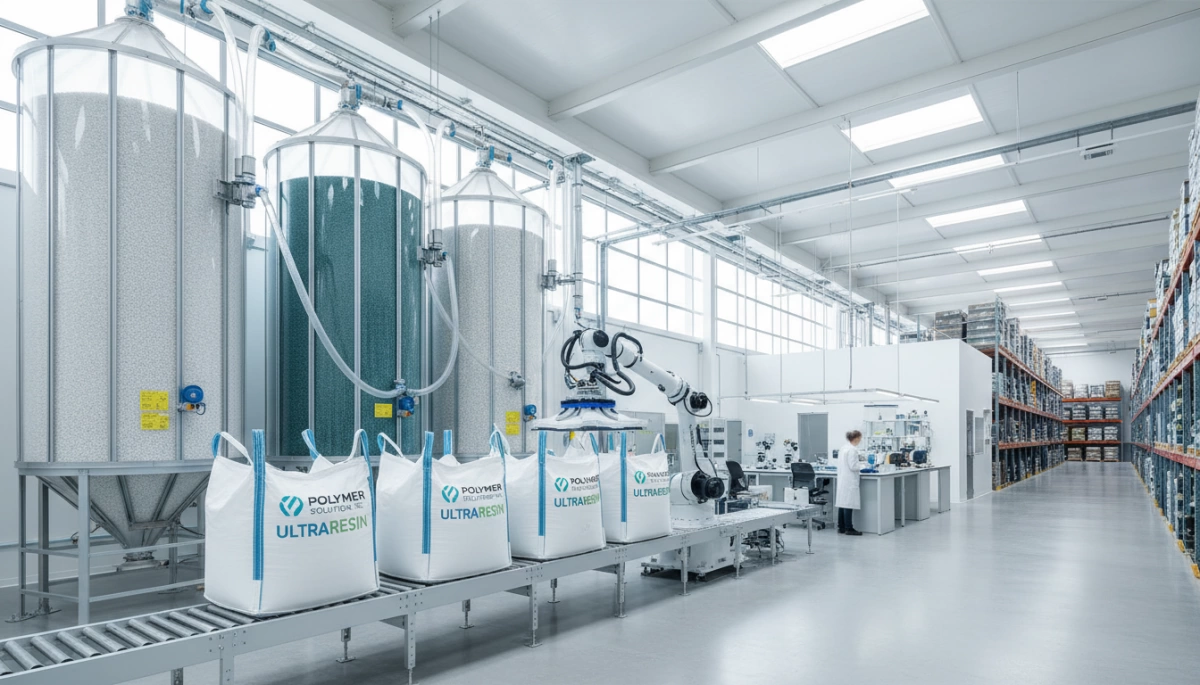
Understanding the Resin Landscape: Commodity vs. Engineering Grades
.
Commodity Resins: High-Volume Efficiency
For projects prioritizing cost-efficiency and high-volume production—such as consumer goods packaging or basic household items—commodity resins are the standard. We frequently utilize materials like Polypropylene (PP), Polyethylene (PE), and Polystyrene (PS). These materials offer excellent chemical resistance and ease of processing, allowing us to maximize the output of our 24/7 operations while keeping unit costs low.
Engineering-Grade Resins: Built for Performance
When your components demand superior mechanical properties, heat resistance, or strict tolerances, we shift focus to engineering-grade plastic materials. Our expertise in the automotive, electronics, and medical sectors relies heavily on advanced polymers:
- ABS & Polycarbonate (PC): Ideal for impact resistance and aesthetic finishes in electronics.
- Nylon (Polyamide): Essential for durable, high-friction automotive parts.
- PEEK: Used in high-performance medical and aerospace applications requiring exceptional thermal stability.
Material Selection Consulting and Melt Flow Index (MFI)
Choosing a material isn't just about the data sheet; it's about processability. Through our Material selection for manufacturability (DfM) services, we analyze critical factors like the Resin melt flow index (MFI). A resin's MFI determines how easily it flows inside the mold under pressure. If the MFI is too low for a complex, thin-walled part, you risk short shots; if it's too high, you risk flash. We optimize this selection to ensure our 50 to 500-ton machines deliver micron-level precision every time.
Critical Criteria for Evaluating a Resin Supplier

When selecting an injection molding resin supplier or a manufacturing partner to manage your material sourcing, reliability is the baseline. You cannot afford downtime due to material shortages or inconsistent quality. We ensure supply chain management for plastics remains robust by maintaining a 24/7 operational capacity with 99.5% uptime. This level of stability guarantees that your high-volume production runs proceed without interruption, regardless of market fluctuations.
Certifications and Standards
Verifying compliance is not just about paperwork; it is about safety and performance assurance. A capable partner must hold the right credentials to handle sensitive materials. We strictly adhere to global standards, operating as an ISO 9001 certified resin supplier and manufacturer.
- ISO 13485: Essential for medical-grade material handling and traceability.
- IATF 16949: Critical for meeting rigorous automotive industry requirements.
- ISO 9001: Ensures general quality management across all bulk plastic resin procurement.
Cost Efficiency via Design for Manufacturability (DfM)
The cheapest material per pound does not always equal the lowest part cost. True value comes from optimizing how that material interacts with your mold. We utilize Material selection for manufacturability (DfM) to analyze your specific application. By identifying the right resin grade and optimizing the mold design early, we help you understand the full injection molding cost breakdown and potentially reduce total production expenses by up to 30%.
The Jino Advantage: Integrated Manufacturing Partner
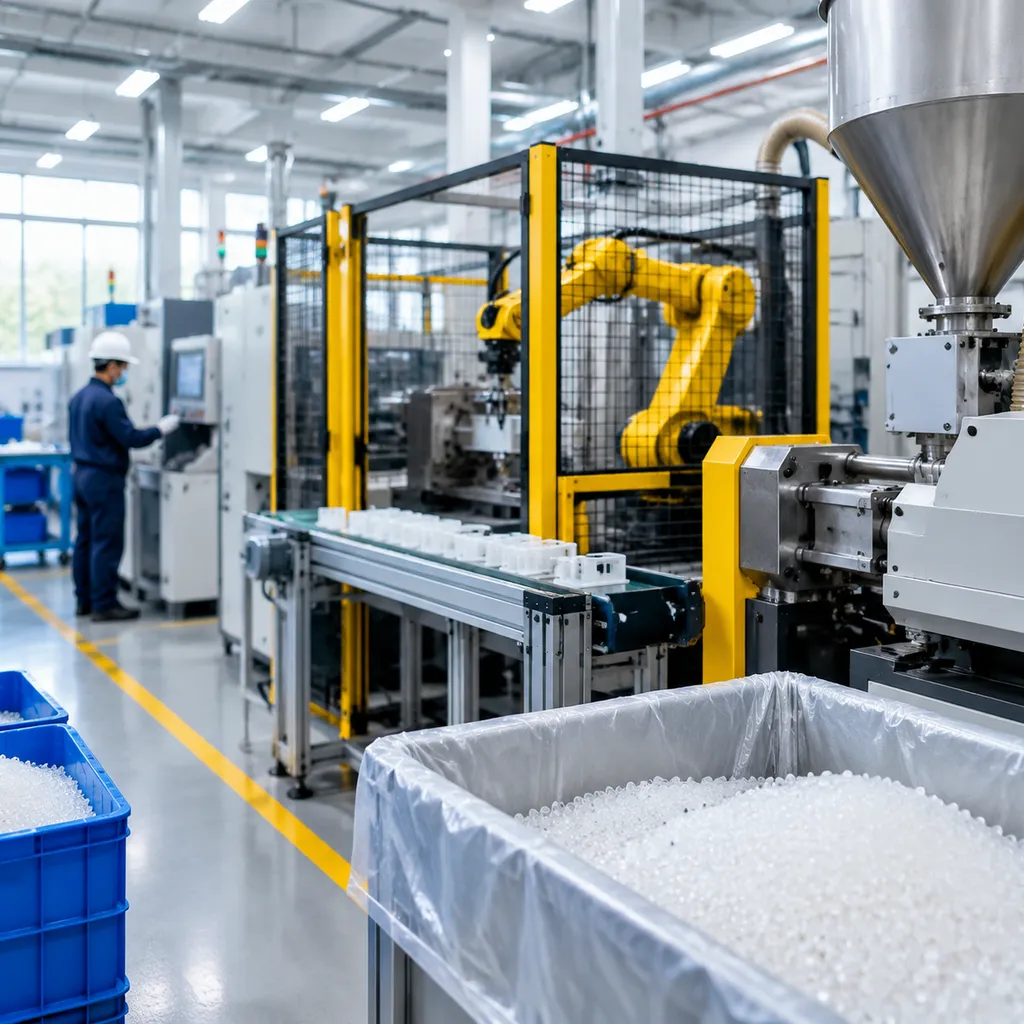
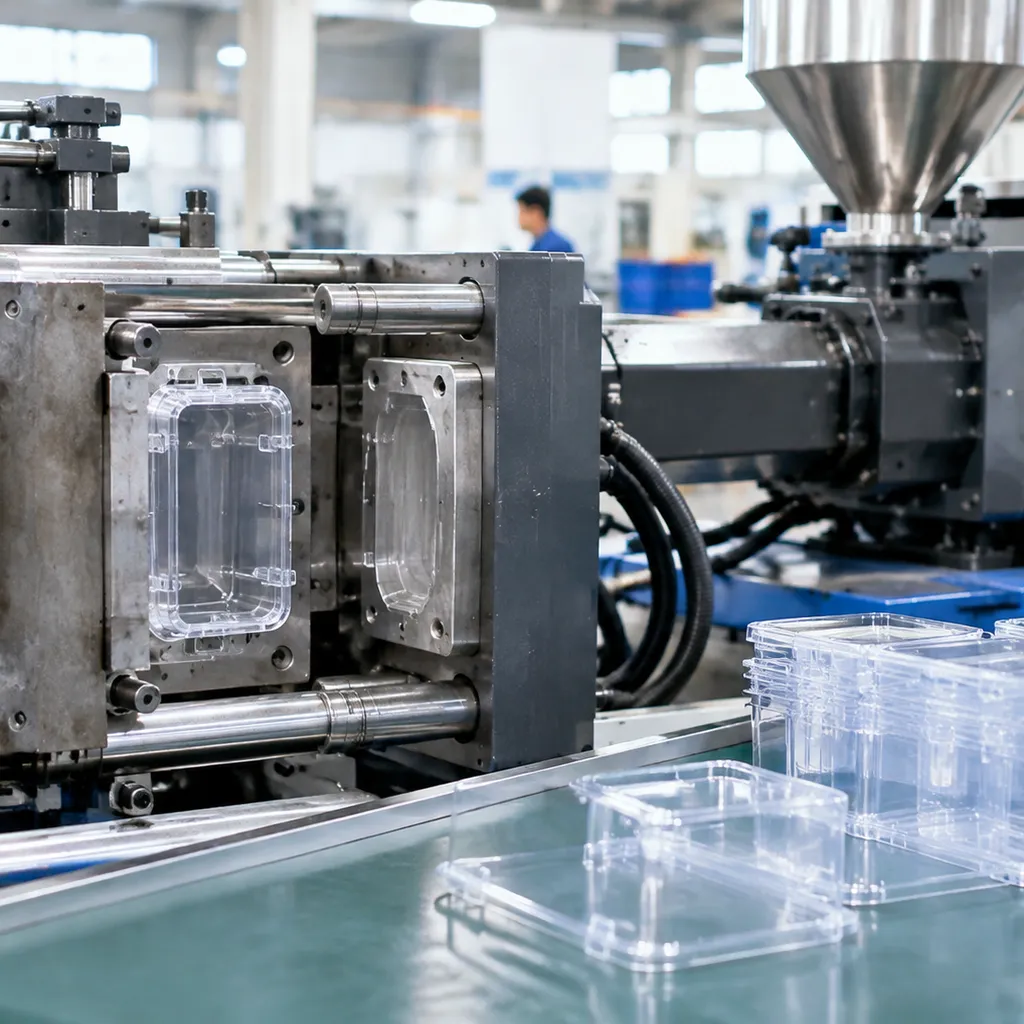
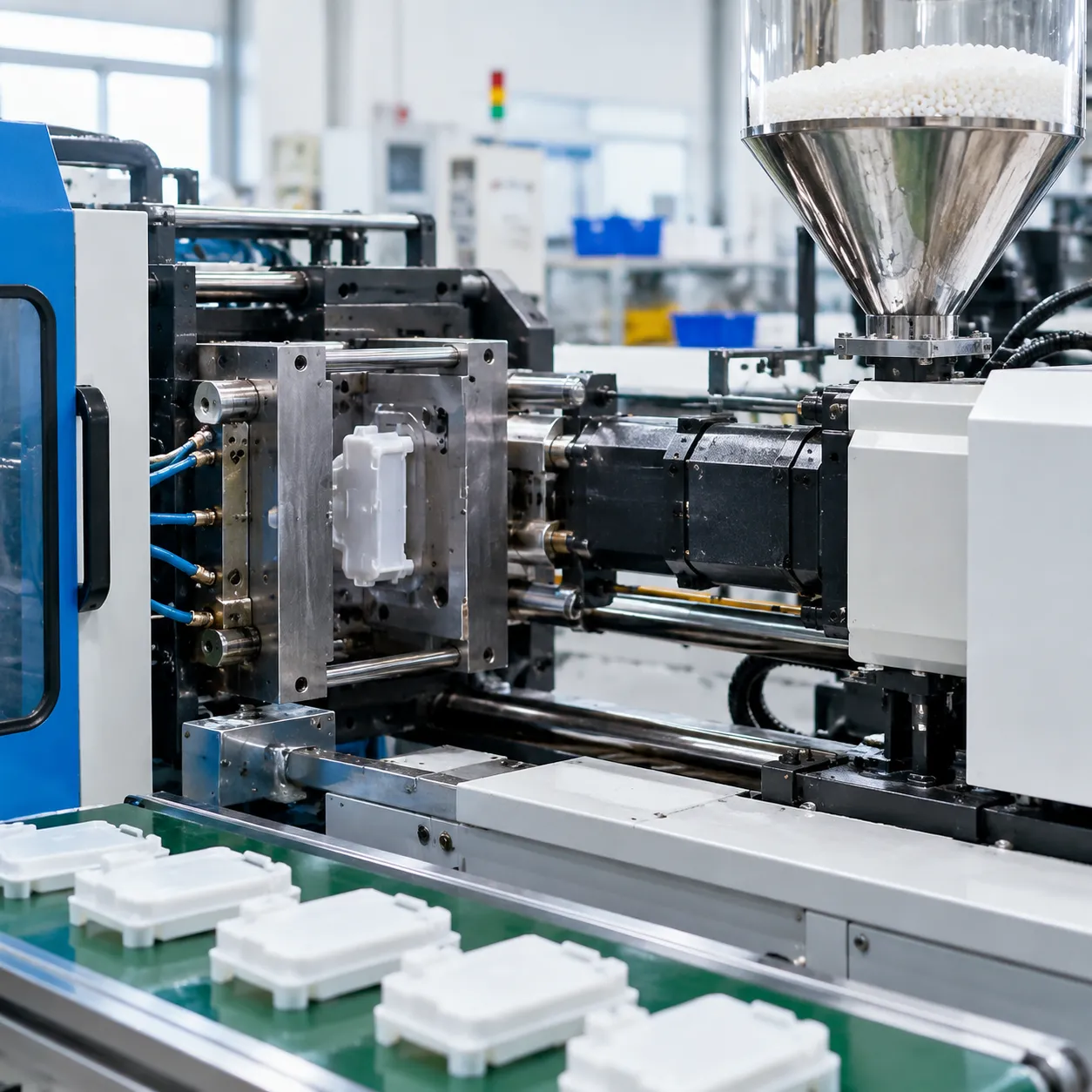
Finding a reliable injection molding resin supplier is only the first step; you need a partner capable of transforming those raw materials into market-ready products. At Jino, we move beyond simply sourcing pellets. We provide custom injection molding services that seamlessly integrate material selection with high-precision manufacturing. Our goal is to streamline your supply chain, ensuring that the resin we source performs perfectly in the final mold.
We don't just guess at production; we engineer it. Our facility is equipped to handle a vast range of project sizes, ensuring that whether you need high-volume consumer goods or specialized engineering parts, we have the capacity to deliver.
Technical Capabilities and Cost Efficiency
Our approach combines advanced machinery with strategic process optimization. By refining how we handle engineering-grade plastic materials, we significantly lower overheads. In fact, our clients often see a reduction in production costs by up to 30% through our optimized manufacturing workflows.
| Feature | Specification | Benefit |
|---|---|---|
| Clamping Force | 50 to 500 tons | Versatility for small to mid-sized parts |
| Precision Level | Micron-level tolerance | Critical for Electronics and Medical sectors |
| Cost Strategy | Process optimization | Lowers injection molding costs by up to 30% |
| Quality Rate | 99.8% (Medical) | Ensures reliability and safety |
We specialize in sectors where failure is not an option. For Electronics, we ensure strict tolerances for connectors and housings. For the Medical industry, we adhere to rigorous standards to produce safe, certified components. By leveraging our comprehensive technology data and expertise, we turn raw resin into precision solutions that drive your business forward.
Mitigating Risks and Handling Material Challenges
Sourcing the right pellets is only step one. The real challenge for any injection molding resin supplier is maintaining material integrity during processing. We take the guesswork out of material handling to prevent common defects like splay, brittleness, or cosmetic flaws that can ruin a production run.
Advanced Moisture Control
Many engineering-grade plastic materials, such as Nylon (PA) and Polycarbonate (PC), are hygroscopic—meaning they absorb moisture from the air. If processed wet, the structural integrity of the part collapses. We utilize advanced dehumidifying dryers to ensure every pellet is bone-dry before it hits the barrel. A skilled injection molding technician monitors these drying parameters constantly, ensuring the material performs exactly as intended during the molding cycle.
Transparency in Material Composition
Honesty is critical when dealing with thermoplastic resin sourcing. There is a significant difference between virgin resin and regrind (recycled material).
- Virgin Material: We guarantee 100% purity for high-performance parts requiring strict tolerances.
- Regrind Usage: While using regrind can help with injection molding cost reduction, we are fully transparent about the ratio used. We ensure you know exactly what goes into your mold, preventing unexpected failures in the field.
Full Traceability for Safety
For industries like medical and automotive, knowing the history of your material is mandatory. Our supply chain management for plastics includes full lot traceability. From the moment the raw resin enters our facility to the final quality check, every batch is documented. This rigorous tracking supports our ISO 9001 and IATF 16949 compliance, ensuring that your precision molded parts manufacturer delivers safety and reliability every time.
Case Study: Strategic Sourcing in Action
We don't just manufacture parts; we act as a strategic partner to solve complex supply chain and engineering challenges. A recent project with a Tier 1 manufacturer highlights how our role goes beyond simple production to functioning as a consultative injection molding resin supplier and manufacturing expert.
Solving High-Cost Durability Issues
An automotive client approached us with a critical issue: their existing components were suffering from durability failures while simultaneously driving up production costs. They needed automotive plastic components that could withstand high stress without breaking the budget. The original material specification was driving the price too high, threatening the project's viability.
Implementing Alternative Engineering Grade Resins
Our engineering team stepped in with our material selection consulting service. Instead of sticking to the expensive default choice, we analyzed the specific mechanical requirements and proposed switching to alternative engineering-grade resins. We leveraged our deep understanding of what plastics are used for injection moulding to identify a high-performance polymer solution that offered superior impact resistance at a fraction of the raw material cost.
Delivering Results
By optimizing the material choice and refining the mold design for better flow, we delivered significant tangible results:
- Cost Reduction: We achieved a total injection molding cost reduction of 30% compared to the original design.
- Performance: The new parts met all durability tests and strict IATF 16949 automotive standards.
- Efficiency: Cycle times were reduced, allowing for faster time-to-market.
This proves that the right manufacturing partner does more than just melt pellets—we engineer value into every step of the process.
FAQs: Injection Molding Resin Sourcing
How do I choose the right resin for my specific project?
Selecting the correct material is a balance between performance requirements, environmental exposure, and cost. You need to consider factors like tensile strength, heat resistance, and flexibility. At Jino, we don't just guess; we provide material selection consulting to match your product's function with the ideal polymer. For example, understanding the properties of raw material LDPE injection molding helps in applications requiring flexibility and chemical resistance, whereas other projects might demand rigid engineering thermoplastics.
What is the difference between commodity and engineering plastics?
The main difference lies in performance and cost.
- Commodity Plastics: Materials like PP, PE, and PS are cost-effective and used for high-volume items like packaging or simple consumer goods.
- Engineering Plastics: Resins such as ABS, PC, Nylon, and PEEK offer superior mechanical properties, thermal stability, and chemical resistance. These are essential for the high-performance parts we produce for the automotive and electronics sectors.
Why are ISO certifications critical for resin suppliers?
Certifications like ISO 9001, ISO 13485, and IATF 16949 are not just badges; they are your guarantee of consistency and safety. Working with an ISO-certified partner ensures that the resin supply chain is traceable and that the materials meet stringent global standards. This is non-negotiable for medical devices and automotive components where material failure is not an option.
Can Jino source specific medical-grade or automotive plastics?
Yes. As an integrated manufacturing partner, we leverage a robust supply chain to procure specialized resins for your production runs. Whether you need biocompatible materials for medical devices or high-heat resistant polymers for automotive engines, we handle the sourcing as part of our turnkey solution. This ensures compatibility with our precision mould manufacturing processes, guaranteeing that the final molded part meets all regulatory and functional specifications.
 English
 French
 German
 Spanish
 Italian
 Polish
 Russian
 Japanese
 Korean
 Arabic
 Dutch
 Portuguese
 Swedish
 Norwegian
 Belarusian
 Armenian