

Defining Moulded: From Concept to Shaped Reality
When we say something is moulded, we mean it has been formed by shaping a material—usually plastic, metal, or rubber—inside a specially designed cavity called a mould. This process transforms raw materials from a loose state into precise, solid objects with specific shapes and features.
Core Definition and Etymology
- Moulded comes from the word "mould," which originates from the Old English molde, meaning a form or matrix used in shaping materials.
- Essentially, moulding is about creating an exact copy of a shape by pouring, injecting, or pressing material into a hollow form.
- The end product is a moulded piece that mirrors the mould’s design perfectly.
Moulded vs. Related Terms
- Moulded specifically refers to the completed object shaped by the mould.
- Moulding is the actual process of shaping the material.
- Casting is similar but often involves liquids solidifying in a mould, usually metals or resins.
- Fabrication involves assembling or building parts, not necessarily shaping materials inside a mould.
Understanding these differences helps clarify what it means when you hear about moulded plastic parts or other moulded products in industries worldwide. At Jino Injection Moulding, we specialize in turning your ideas into high-quality, precisely moulded realities.
The Science Behind Moulding: How It All Comes Together

At its core, moulding is all about shaping materials into precise forms using carefully designed molds. The fundamental principle involves heating a raw material—often plastic or metal—until it becomes fluid or pliable, then forcing it into a mold cavity where it cools and solidifies into the desired shape. This process relies heavily on mould cavity engineering to ensure accuracy and consistency.
Materials play a huge role in the success of moulded products. Thermoplastics are the go-to choice because they soften when heated and harden when cooled, making thermoplastic moulding both versatile and efficient. Other materials include thermosetting plastics, metals, and even some biodegradable options, which add sustainability to the mix.
Understanding the behavior of these materials during the moulding process helps manufacturers produce high-quality, precision moulded components for everything from automotive parts to consumer goods. Advances in material science continue to improve durability, flexibility, and environmental impact, making moulded products smarter and more sustainable than ever before. For a closer look at how these materials come together in a production setting, you can explore the detailed injection moulding process that powers modern manufacturing.
Injection Moulding: The Heart of Modern Moulded Production
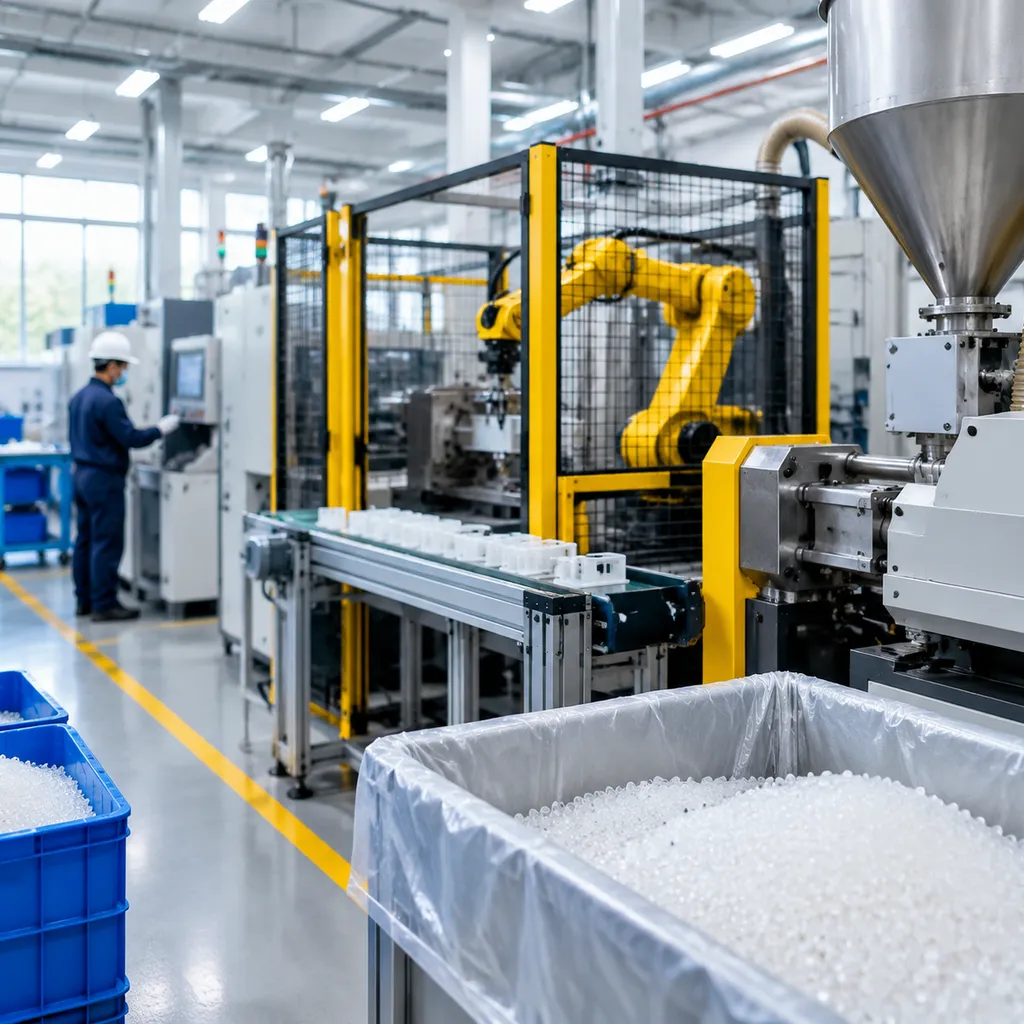
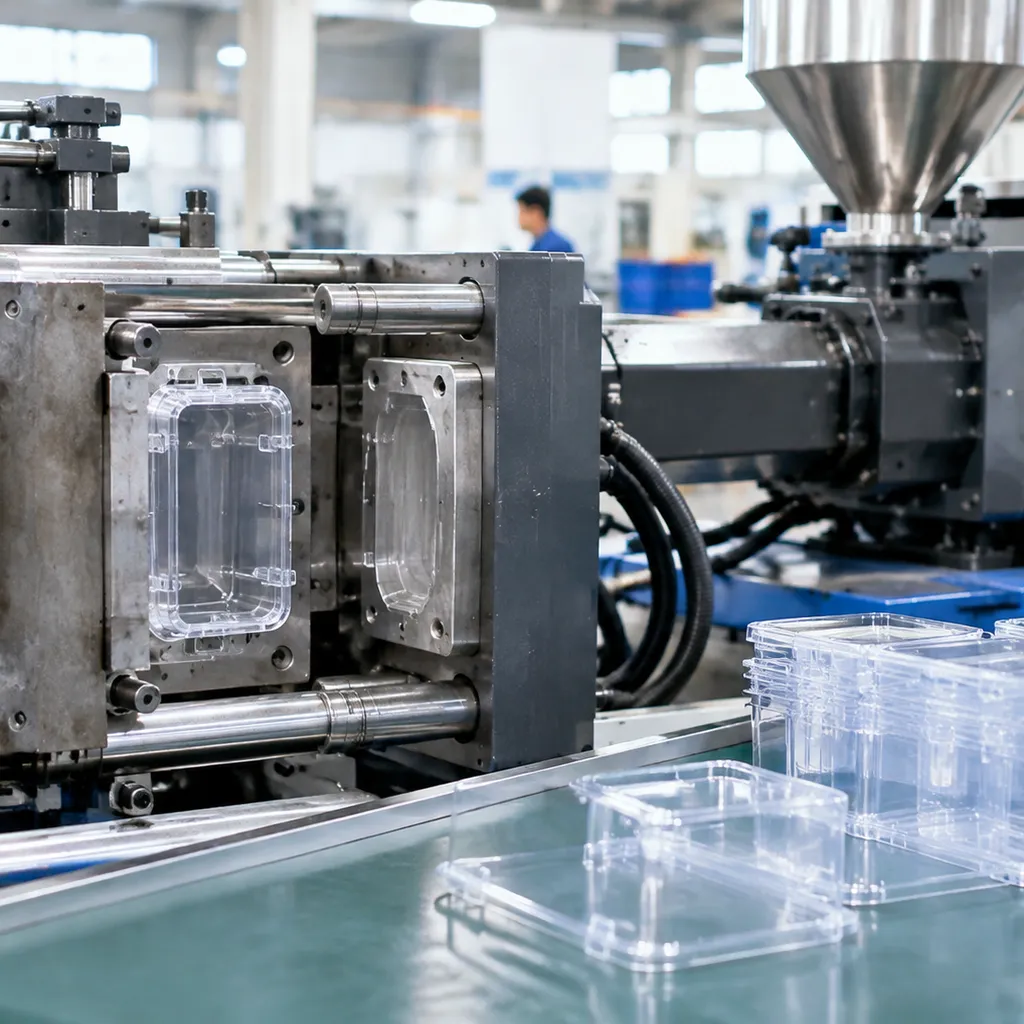
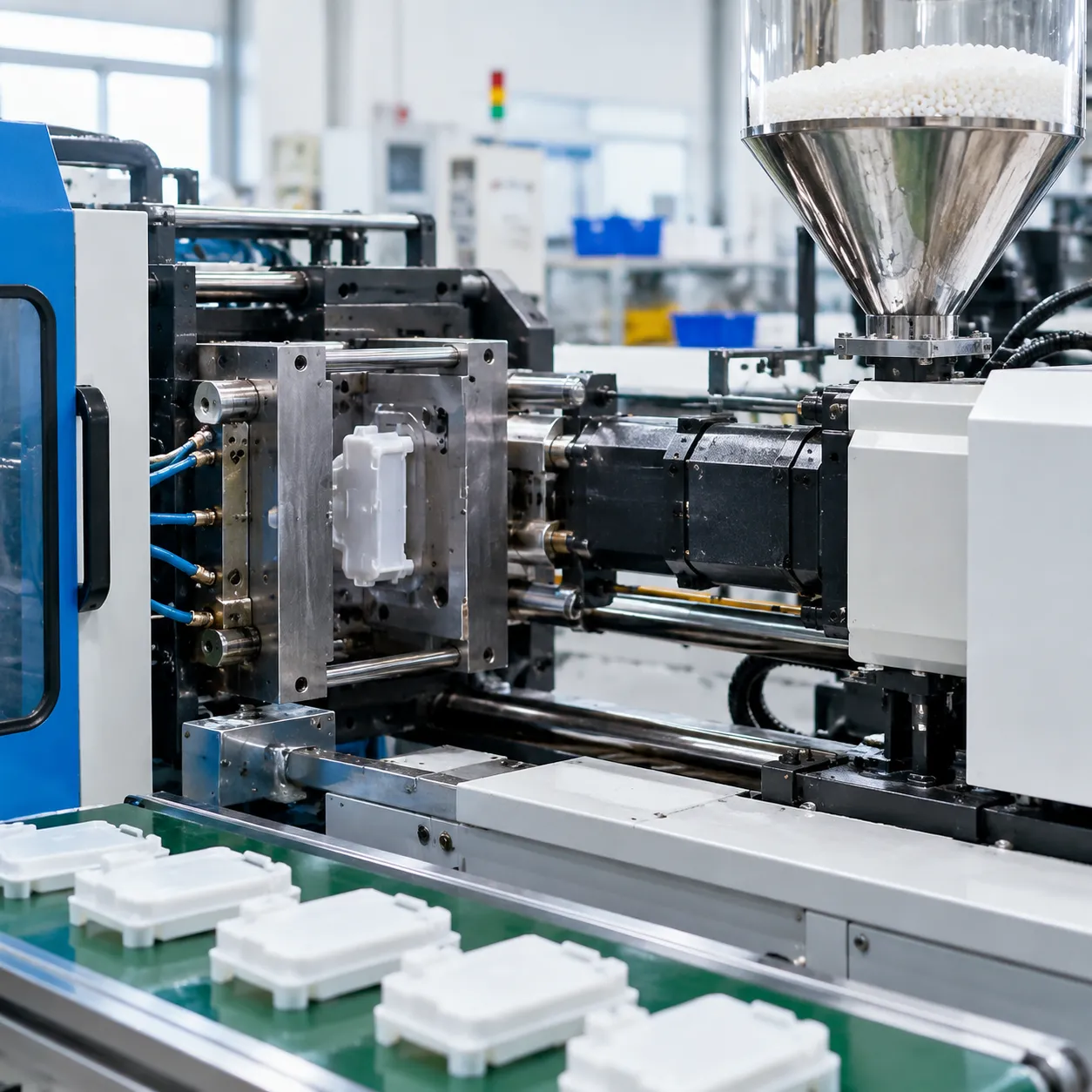
Injection moulding is at the core of producing precise, high-quality moulded plastic parts efficiently. This process involves injecting molten material—usually thermoplastic—into a mould cavity, where it cools and hardens into the desired shape.
Step-by-Step Process Overview:
- Material Preparation: Raw plastic pellets are heated until they melt.
- Injection: The molten plastic is forced into a mould cavity under high pressure.
- Cooling: The material solidifies as it cools inside the mould.
- Ejection: Once solid, the mould opens, and the product is ejected.
Advanced Techniques and Variations:
- Multi-material Injection: Combining two or more plastics for added features.
- Gas-Assisted Injection: Uses gas pressure to create hollow parts, reducing weight.
- Insert Moulding: Encases metal or other components within the plastic part.
- Overmoulding: Moulding plastic over an existing part to add layers or grips.
Equipment Spotlight:
Modern injection moulding machines come with precise temperature controls, hydraulic or electric drives, and advanced mould cavity engineering to ensure repeatability and quality at high volumes.
For a deeper dive into the kinds of plastic injection moulded products and their applications, explore our detailed guide on plastic injection moulding products. Understanding these setups helps you appreciate why injection moulding dominates custom moulding services across industries.
Types of Moulded Products: Everyday Examples and Innovations
Moulded products come in a wide range of shapes and uses, shaping much of what we interact with daily. Here’s a quick look at common categories and some emerging trends in moulded goods.
| Common Categories | Examples | Materials Used |
|---|---|---|
| Consumer Goods | Phone cases, kitchen utensils | Thermoplastics, silicone |
| Automotive Parts | Bumpers, dashboards, clips | ABS, polypropylene, nylon |
| Medical Components | Syringes, housings, implants | Biocompatible plastics |
| Industrial Equipment Parts | Gears, valves, connectors | High-strength thermoplastics |
| Packaging Solutions | Bottles, caps, containers | PET, HDPE |
Emerging Trends
- Sustainable Moulding Materials: More manufacturers are turning to recycled and biodegradable plastics to reduce environmental impact.
- Precision Moulded Components: Advanced mould cavity engineering allows for tighter tolerances and miniaturized parts.
- Customization and Rapid Prototyping: With better mould design basics, custom moulding services enable quicker iterations and personalized products.
- High-Volume Moulding: Automation and upgraded equipment push productivity in sectors like automotive and consumer electronics.
For a deeper dive into the types of injection moulding behind these products, check out our detailed overview of types of injection moulding. This resource breaks down various manufacturing moulding techniques shaping the future of moulded products.
Benefits and Challenges of Moulded Manufacturing

Why Choose Moulded? Top Advantages
Moulded manufacturing offers several clear benefits, making it a go-to choice in many industries:
- Consistency and Precision: Moulded parts maintain tight tolerances and uniform quality, ideal for precision moulded components.
- High Volume Production: Injection moulding supports large-scale runs, keeping costs low per unit.
- Material Versatility: Works with a wide range of plastics, including thermoplastic moulding options and sustainable moulding materials.
- Speed and Efficiency: Fast cycle times mean quicker product turnaround.
- Design Flexibility: Complex shapes and fine details are possible through smart mould design basics.
- Waste Reduction: Excess material can often be recycled, supporting greener manufacturing.
Overcoming Common Hurdles
While moulding shines in many ways, some challenges persist:
| Challenge | Solution |
|---|---|
| High Initial Cost | Investing in durable mould cavity engineering pays off in long-term savings. |
| Design Restrictions | Early collaboration in mould design basics helps avoid costly redesigns. |
| Material Limitations | Choosing the right plastic for injection moulding process maximizes performance. |
| Quality Control | Strict quality control in moulding ensures consistent output. |
| Tool Wear and Maintenance | Routine maintenance extends mould life and reduces downtime. |
By understanding these challenges and working with experienced partners, you can leverage the full potential of moulded manufacturing.
For those looking to optimize injection moulding processes and tooling, exploring expert resources on plastic injection mould tooling can be a smart next step.
Applications Across Industries: Where Moulded Shines
Moulded products are everywhere, powering a wide range of industries thanks to their precision, efficiency, and versatility. Here’s a quick look at sectors where moulded parts truly make a difference:
- Automotive: From moulded automotive parts like dashboards and engine components to lightweight, durable trim, injection moulding helps meet the demand for high-quality, precision moulded components that improve vehicle performance and safety.
- Healthcare: Medical devices and disposable components rely on moulded plastics because of their consistency and the ability to produce sterile, single-use parts quickly.
- Consumer Goods: Everyday products such as containers, toys, and electronics housings benefit from custom moulding services that offer both durability and design flexibility.
- Packaging: Thermoplastic moulding allows for the creation of sustainable, lightweight packaging solutions that protect goods while reducing material waste.
- Industrial: Precision moulded components are essential in machinery and equipment, where tight tolerances and repeatability impact product quality and functionality.
These industries highlight the power of moulding in bringing innovative, reliable, and cost-effective solutions to the table across so many fields. For businesses looking to tap into these benefits, understanding the manufacturing moulding techniques used can be a game-changer.
To explore how injection moulding fits into these industries and how it can serve your specific needs, check out our detailed plastic injection moulding factory overview or discover our custom plastic injection moulding services.
 English
 French
 German
 Spanish
 Italian
 Polish
 Russian
 Japanese
 Korean
 Arabic
 Dutch
 Portuguese
 Swedish
 Norwegian
 Belarusian
 Armenian