

Critical Requirements for Medical Injection Molding
"Will this component hold up in the ER?" That is the only question that matters. In the plastic injection molding for medical device market, "close enough" simply does not exist. We know that when you hand us a design, you aren't just looking for a plastic part; you are looking for absolute reliability.
We aren't making consumer packaging here. We are dealing with functional parts where a deviation of a few microns can mean the difference between a successful procedure and a product recall. To succeed in this space, we adhere to a strict code of manufacturing excellence.
Precision Medical Tooling and Tolerances
Achieving micron-level precision starts with the mold. You cannot mold a perfect part from an imperfect tool. We utilize high-precision machining to ensure that every cavity is identical. This is non-negotiable for maintaining strict tolerances across millions of cycles.
Here is what separates medical molding from the rest:
- Zero Failure Rates: Whether it is a surgical handle or a diagnostic housing, the part must perform exactly as intended, every single time.
- Cleanroom Molding Capabilities: Contamination is a deal-breaker. We operate within controlled environments to ensure particulate-free production.
- Regulatory Rigor: We align every step with ISO 13485 compliance and FDA registered manufacturing standards.
Standard vs. Medical Molding Standards
| Feature | Standard Molding | Medical Injection Molding |
|---|---|---|
| Tolerance | +/- 0.1 mm | +/- 0.005 mm (Microns) |
| Environment | Factory Floor | ISO Class 7/8 Cleanroom |
| Material | Commodity Resins | Medical grade plastic resins |
| Traceability | Batch Level | Full Device History Record (DHR) |
When we engage in medical device contract manufacturing, we commit to a level of scrutiny that guarantees safety and functionality. It is about combining biocompatible injection molding processes with rigorous quality assurance to deliver parts that you—and patients—can trust.
Engineering and Design for Manufacturing (DFM)
Success in plastic injection molding for medical device market applications starts long before resin enters the barrel. We prioritize a rigorous Design for Manufacturing (DFM) medical review to bridge the gap between a digital concept and a physical, compliant reality. Our engineering team works directly with your designers to identify potential failure points, ensuring that the final component meets strict regulatory standards while remaining cost-effective to produce.
To guarantee precision medical tooling and consistent part quality, we focus on three critical engineering pillars:
- Optimizing Wall Thickness: We analyze part geometry to ensure uniform wall thickness. This is vital for preventing defects like sink marks and warping, ensuring the structural integrity required for medical grades.
- Strategic Gate Locations: We determine the optimal entry point for the plastic to minimize cosmetic defects and ensure proper filling, especially for complex surgical instruments.
- Mold Flow Analysis: Before cutting steel, we simulate the injection process. This digital validation predicts fill patterns, air traps, and weld lines, allowing us to adjust the design proactively.
By understanding the fundamental constraints of what is moulding, we can optimize cycle times and reduce material waste. Whether we are engineering single-cavity prototypes or high-cavity medical molds for mass production, our goal is to deliver a robust manufacturing process that requires zero modification after validation.
Medical-Grade Material Selection Strategy

Selecting the right polymer is the absolute foundation of successful plastic injection molding for the medical device market. It is not just about mechanical strength; it is about how the material interacts with the human body and withstands harsh sterilization environments. As an experienced plastic injection molding company in China, we guide our clients through the complex landscape of medical-grade resins to ensure every component meets stringent safety and performance standards.
Navigating Biocompatibility and ISO 10993
For any device coming into direct contact with patients, biocompatible injection molding is non-negotiable. We strictly adhere to ISO 10993 standards to ensure materials are non-toxic, non-irritating, and biologically safe. Whether you are developing long-term implantable devices or short-term contact disposables, the resin must pass rigorous biological evaluation before it ever enters the mold.
High-Performance Polymers: PEEK and PSU
Reusable medical instruments require materials that can survive repeated sterilization cycles without degrading or losing dimensional stability. We specialize in PEEK injection molding and the processing of other high-performance engineering thermoplastics like PSU (Polysulfone) and PPSU. These advanced materials are chosen for their ability to handle:
- Autoclaving: Withstanding high-temperature steam sterilization.
- Gamma Radiation: Maintaining structural integrity after irradiation.
- Chemical Exposure: Resisting aggressive cleaning solvents and lipids.
Balancing Cost and Performance for Disposables
Not every medical part requires expensive engineering plastics. For single-use items like diagnostic consumables, laboratory containers, or petri dishes, we often utilize raw material PS for injection molding to achieve the perfect balance of optical clarity, rigidity, and cost-efficiency. Our engineering team helps you match the specific material properties—from chemical durability to flow rates—to the exact function of your medical product.
Key Applications in Medical Device Manufacturing
In the rapidly evolving plastic injection molding for medical device market, the ability to adapt to diverse product requirements is essential. At Jino Plastics, we apply our engineering expertise to a wide spectrum of healthcare applications, ensuring every part meets stringent ISO 13485 standards. From life-saving implants to daily consumables, our cleanroom facilities handle it all.
Surgical Instrument Components
Precision is non-negotiable in the operating room. We specialize in manufacturing surgical instrument components using high-performance engineering plastics like PEEK and PPSU. These materials provide the necessary strength and chemical resistance to withstand repeated autoclave sterilization cycles, making them ideal for surgical handles, retractors, and functional internal mechanisms.
Diagnostic and Lab Equipment
Reliability drives our approach to diagnostic tools. We manufacture tight-tolerance parts for blood analyzers, DNA sequencers, and other lab automation devices. Our capabilities include molding complex housings and micro-fluidic components that require absolute dimensional stability to ensure accurate test results.
Drug Delivery and Wearables
The shift towards patient-centric care has increased demand for user-friendly devices. We support medical device contract manufacturing for:
- Wearable Housings: Ergonomic, lightweight, and durable shells for continuous monitoring devices.
- Drug Delivery Systems: Precision components for insulin pumps, inhalers, and auto-injectors.
- Medical Disposables: High-volume production of syringes, connectors, and tubes in our ISO Class 7 and 8 cleanrooms.
Partnering with a specialist allows you to maintain strict quality control while effectively managing plastic injection molding costs for both prototyping and mass production runs.
Overcoming Common Manufacturing Challenges
In the plastic injection molding for medical device market, failure is not an option. We tackle the toughest production hurdles head-on to ensure every component meets stringent safety and functionality standards. From maintaining sterility to molding impossible shapes, our process is built to mitigate risk and deliver consistency.
Strict Contamination Control
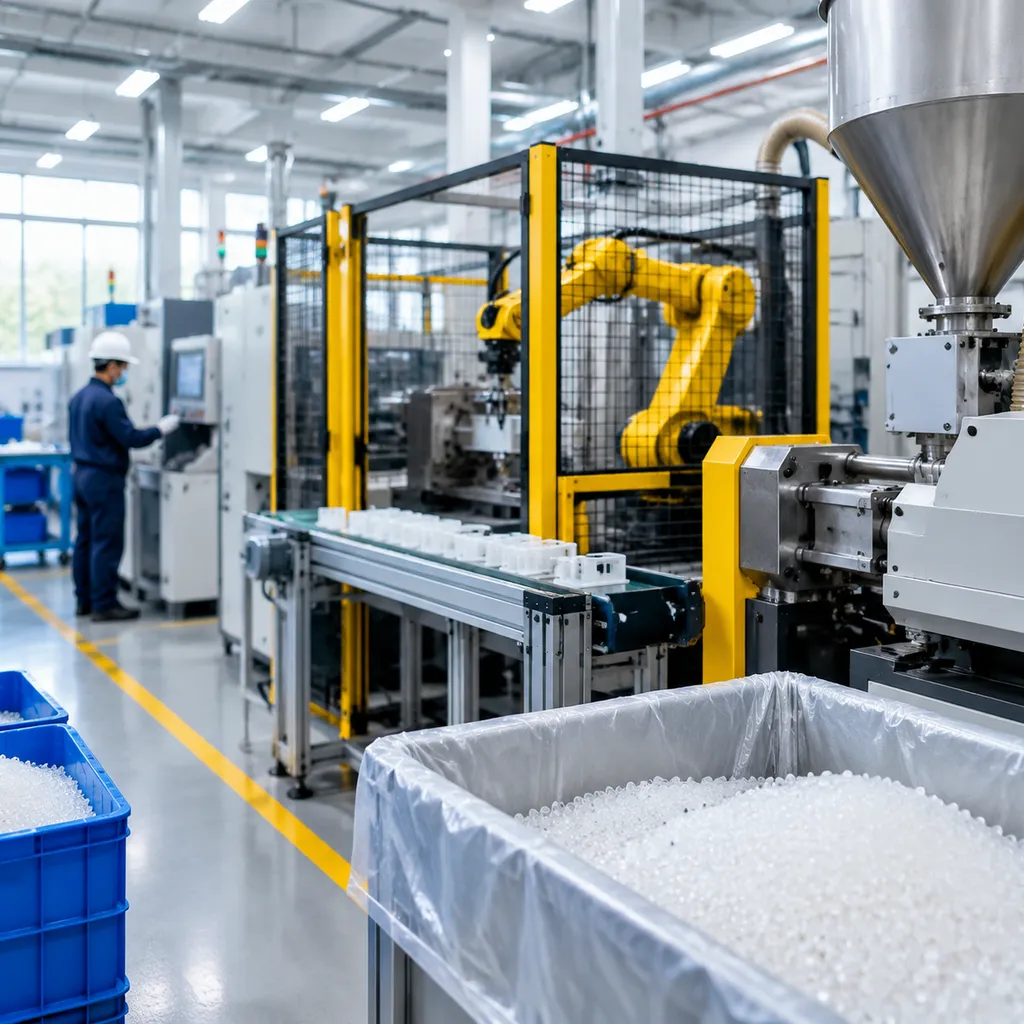
Particulate contamination is the biggest threat to medical components. We eliminate this risk by operating within ISO Class 7 and Class 8 cleanrooms. By controlling air quality and enforcing strict gowning protocols, we ensure that parts remain sterile and free from foreign debris throughout the production cycle.
Handling Complex Geometries & Undercuts
Medical devices often feature intricate designs, such as snap-fits, internal threads, or micro-fluidic channels. Standard molding can't always handle these features. We utilize:
- Advanced Tooling: Our high-precision injection molds incorporate complex slides and lifters to manage undercuts without damaging the part.
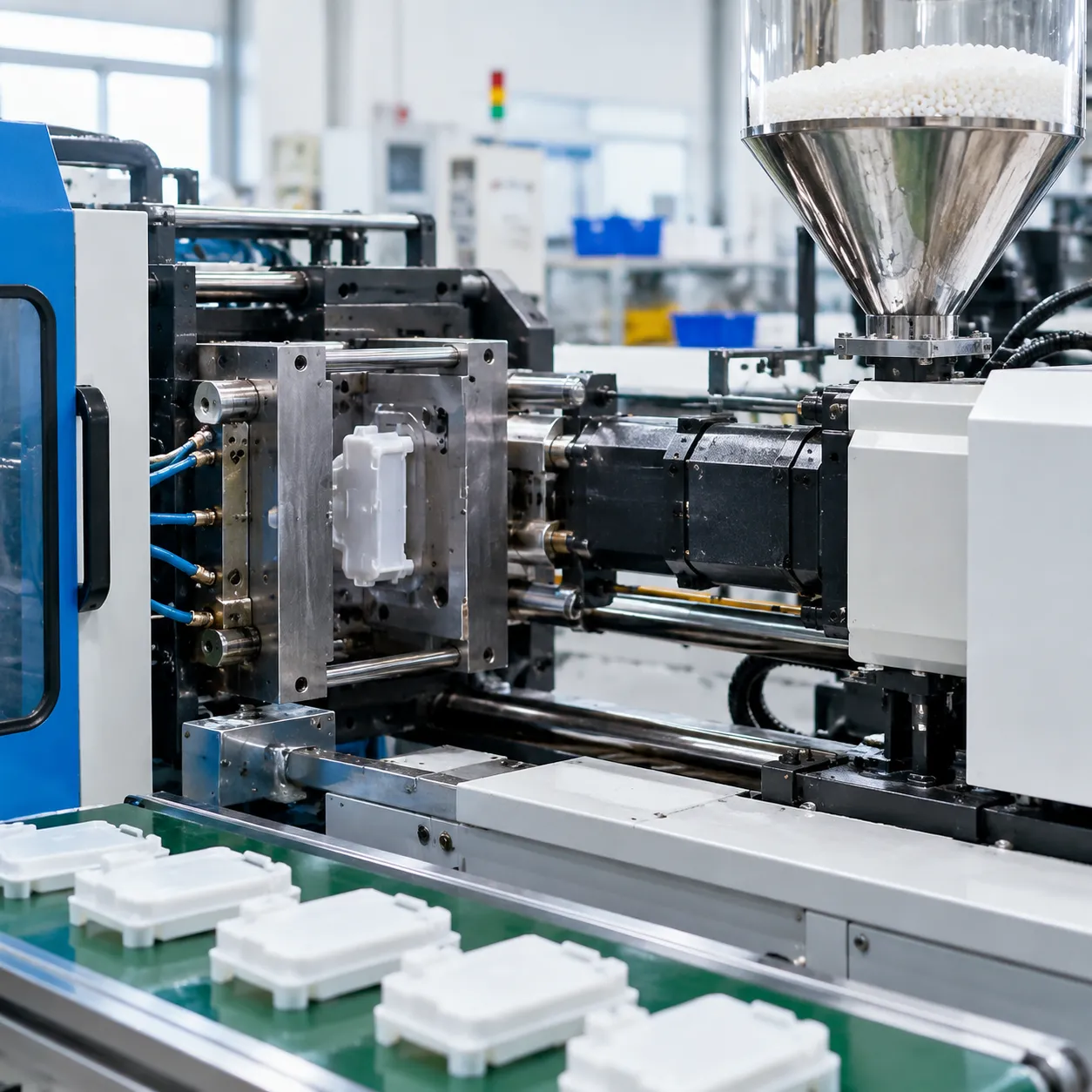
- Electric Machines: Using all-electric presses (like Arburg and Fanuc) gives us the precise control needed for thin-walled parts and micro-molding.
Integrated Secondary Operations
The job isn't done when the part leaves the mold. We streamline the supply chain by offering value-added services directly on-site. This includes pad printing, ultrasonic welding, and cleanroom assembly. Understanding how the injection moulding process works step-by-step helps us integrate these secondary stages seamlessly, reducing handling time and maintaining quality control from pellet to final packaging.
Criteria for Selecting a Medical Device Contract Manufacturing Partner
Choosing the right partner for plastic injection molding for medical device market applications is about more than just comparing price tags; it is about securing a supply chain that guarantees patient safety. When I vet potential suppliers, I look for a robust combination of regulatory adherence and technical depth. A generic molder simply cannot handle the documentation and precision required for medical device contract manufacturing.
Here is what you need to verify before signing a contract:
- Quality Management Systems: While ISO 9001:2015 is a good baseline, it is not enough. You must insist on ISO 13485 compliance, which specifically governs medical device quality. This ensures they understand risk management and traceability.
- Validation Expertise: Your partner must be proficient in IQ OQ PQ validation (Installation, Operational, and Performance Qualification). This proves that their precision medical tooling and processes can consistently produce parts within spec.
- Facility Standards: Check if they offer cleanroom molding capabilities (Class 7 or 8) to minimize particulate contamination, which is critical for invasive devices.
- Transparent Communication: Lead times and pricing should never be a guessing game. It is essential to request a detailed injection moulding quotation early on to test their responsiveness and transparency regarding material costs and tooling lead times.
A reliable partner will not just manufacture your parts; they will help you navigate the complexities of FDA registered manufacturing and ensure your product is market-ready without compliance delays.
Frequently Asked Questions (FAQs)
Navigating the complexities of plastic injection molding for medical device market requires clear answers. Here, we address the most common inquiries regarding our capabilities, quality standards, and production processes.
How do you ensure regulatory compliance?
Quality is our baseline. We operate under strict ISO 13485 compliance to meet the rigorous demands of the healthcare industry. Our team supports customers with comprehensive validation protocols, including IQ OQ PQ validation, ensuring that the manufacturing process consistently produces parts that meet predetermined specifications and quality attributes.
What materials can you process?
We specialize in high-performance medical grade plastic resins. Our expertise covers a wide range of polymers, including:
- PEEK injection molding for implantable and high-stress applications.
- PPSU and PSU for repeated sterilization resistance.
- Biocompatible Polycarbonates (PC) and PEI.
Understanding the behavior of these materials is crucial; you can review how injection moulding is done in our facility to maintain strict material properties during processing.
Do you handle both prototyping and mass production?
Yes. We provide rapid prototyping for medical devices to help you validate designs and conduct functional testing quickly. Once the design is frozen, we seamlessly transition to high-volume medical device contract manufacturing. Our in-house tooling shop in Dongguan allows us to manage the entire lifecycle, from the initial mold build to final assembly.
Are your facilities equipped for contamination control?
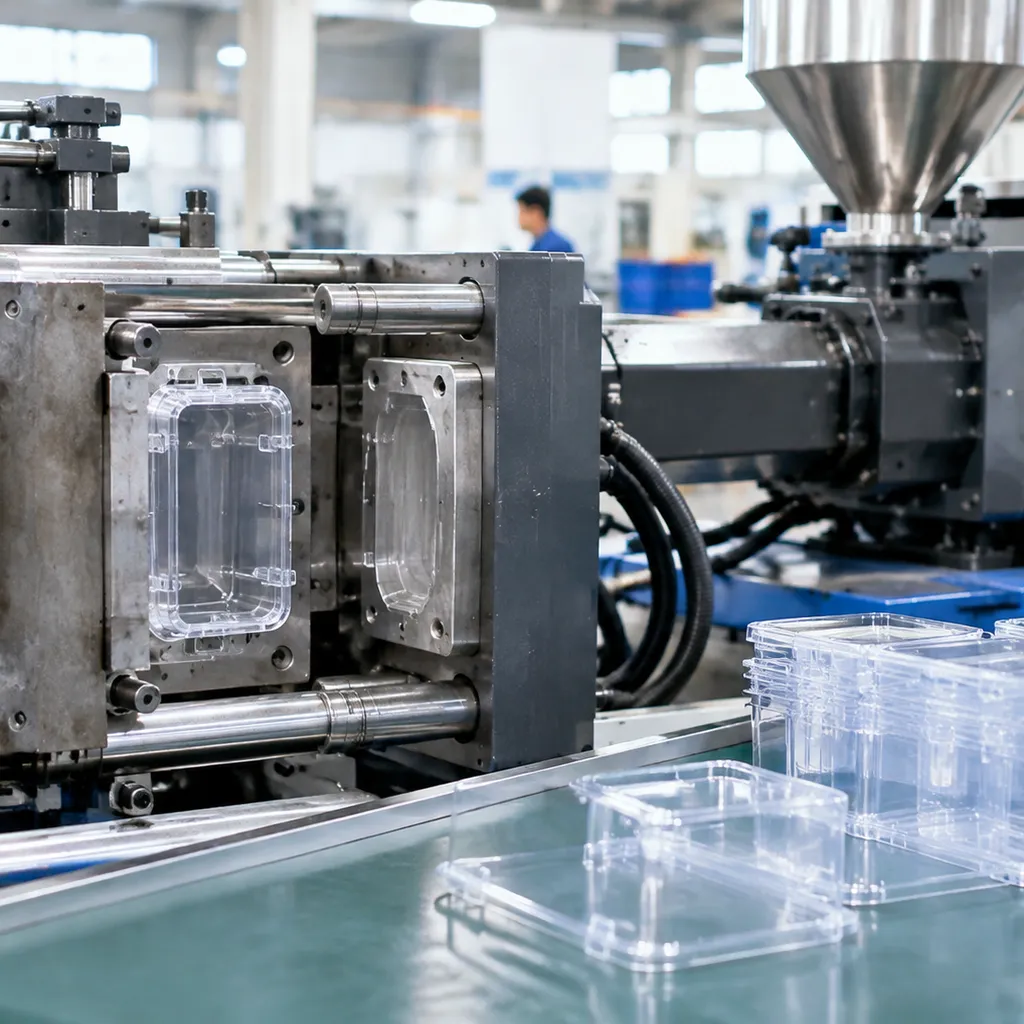
Absolutely. We offer dedicated cleanroom molding capabilities within our ISO Class 7 (Class 10,000) and ISO Class 8 (Class 100,000) environments. This ensures that sensitive components, such as surgical instruments and diagnostic consumables, are manufactured with strict contamination control.
 English
 French
 German
 Spanish
 Italian
 Polish
 Russian
 Japanese
 Korean
 Arabic
 Dutch
 Portuguese
 Swedish
 Norwegian
 Belarusian
 Armenian